
Where Should You Keep Your Estate Planning Documents? (The Safe Deposit Box Problem)
Why Document Storage Matters More Than You Think
When you've spent time and resources creating a comprehensive estate plan by drafting your trust, establishing your medical preferences, and organizing your financial affairs, the last thing you want is for those documents to be inaccessible when your family needs them most. Yet this happens surprisingly often. Families spend weeks or even months trying to locate original documents, dealing with court orders to access safe deposit boxes, or discovering that critical documents were stored in places no one thought to look.
This isn't just an inconvenience. Poor document storage can delay administration, create unnecessary legal expenses, and leave your loved ones confused and stressed during an already difficult time. The irony is that many people choose storage locations they believe are "safe,” like bank safe deposit boxes, only to discover those choices create access barriers for well meaning family members.
At Laurel Trust Law, we've seen firsthand how storage decisions impact families. Our founders, Jenna and Kelly, started this firm after experiencing a family probate hardship that could have been prevented with better planning and preparation. Understanding where and how to store your estate planning documents is just as important as creating them. This guide walks you through the best options, explains why certain popular choices fall short, and shows you exactly what should go in your "in case of" folder.
1. The Safe Deposit Box Problem: Why Banks Aren't the Answer

For decades, people have been told that a bank safe deposit box is the ideal place to store important documents. It's secure, protected, climate-controlled, and feels official. The logic seems sound: a bank vault must be safer than keeping documents at home. Unfortunately, this conventional wisdom creates serious problems after someone dies.
The core issue is access. When you pass away, your safe deposit box becomes sealed. Bank policies vary, but in many cases, the safe deposit box cannot be opened without legal documentation, even by your spouse or next of kin. In some states, including California, the box may only be opened in the presence of a bank representative to check for estate tax documents, but this also typically requires the legal representative to have a key. This process can take weeks or longer if there is no key.
According to estate planning lawyers, another problem is that not everyone who needs access to the box knows it exists. If your spouse or adult children don't know about the safe deposit box, they may never think to look for documents there. Some families have discovered boxes years after a death, containing critical information that could have streamlined the estate administration process.
Additionally, if you become incapacitated, a situation where you are alive but unable to manage your affairs, your family may still face restrictions accessing your safe deposit box, even with a power of attorney. Banks have varying policies, and many require a court order or specific authorization before allowing anyone but the box holder to access contents. This can delay access to important financial information, insurance documents, or healthcare directives when time is critical.
2. Your Home: Balancing Security and Accessibility
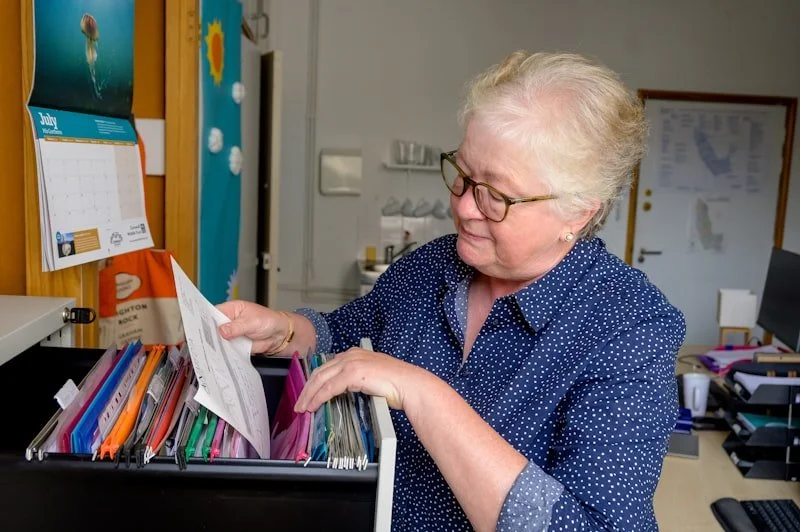
Unlike a safe deposit box, documents stored in your home remain accessible to your family immediately after your death. Your legal representative can retrieve your will, trusts, and other critical documents without court orders or delays.
When choosing where to keep important documents in your home, pick a spot that is secure but also easy for family members to find and retrieve the documents. A waterproof or fireproof bag is a good way to keep those documents together and protected.
Make sure your family members, and possibly successor trustee or executor, know exactly where the documents are located and how to access them.
One advantage of keeping the documents in your home is that you can easily update documents. As your circumstances change, whether due to marriage, divorce, new children, or significant asset changes, you can quickly replace outdated documents with current versions. This is particularly important for estate planning documents, which should be reviewed and updated every three to five years or after major life events

3. Digital Storage and Cloud-Based Solutions: Modern Convenience with Caution
Digital storage has become increasingly popular for estate planning documents. Many services allow you to upload scanned copies of your estate planning documents, insurance policies, and financial information to a secure, encrypted cloud server. You can also give your successor legal representative or family members login credentials and they can access all documents from anywhere, at any time.
The convenience is undeniable. You can organize documents in one place, add notes and instructions, update information easily, and ensure your family has 24/7 access without waiting for business hours or court orders. Many digital vault services also allow you to store non-document information, such as usernames, passwords, and account numbers, critical details that may be needed to settle your estate.
However, digital storage shouldn't replace physical originals. Most courts require original, signed documents for probate proceedings. A scanned copy of your will, no matter how well-organized in a digital vault, won't satisfy court requirements for the original document. Digital storage is best used as a complement to physical storage, not a replacement.
When using digital storage, ensure the service uses bank-level encryption and has a clear succession plan. What happens to your vault if the company goes out of business? Can your trustee access documents if the service shuts down? Read the terms of service carefully. Also, store your login credentials in a physical location your legal representative can access.
Digital backup solutions work best when paired with secure physical storage.,creating redundancy. If your physical documents are damaged or lost, you have digital copies. If digital access fails, you have the originals.
4. A Combination Approach: Original Documents Plus Backup Copies
The most robust storage strategy combines multiple methods. Store your original, signed will and trust documents in a secure physical location. Keep high-quality scanned copies in a digital vault. Provide your legal representative with clear written instructions about where to find documents and how to access them.
This approach provides redundancy and accessibility. If your legal representative can't immediately access the physical originals, they have digital copies to review and understand your wishes. If digital access fails, the originals are secure. This combination also protects against loss due to fire, flood, theft, or other disasters.
When using this strategy, make sure all copies are clearly labeled and organized.
5. What Absolutely Must Go in Your "In Case of" Folder
Beyond your estate planning documents, certain critical information should be organized and accessible to your family. Create an "in case of" folder, which is a physical or digital collection of documents and information your legal representative and family will need immediately after your death.
Original Signed Documents:
- Your living trust document and any amendments
- Your pour-over will
- Durable power of attorney for finances
- Advanced health care directive
- HIPAA authorization forms
- Any prenuptial or postnuptial agreements
Financial Information:
- List of bank accounts with account numbers and institution names
- Investment accounts and brokerage information
- Real estate deeds and property information
- Mortgage and loan documents
- Insurance policies (life, homeowner's, auto, umbrella)
- Pension and retirement account information
- Business ownership documents or partnership agreements
Personal Information:
- List of usernames and passwords (stored securely, not in plain text)
- Social media accounts and how you want them handled
- Digital assets and accounts (email, cloud storage, cryptocurrency)
- Subscription services and memberships
- Location of safe deposit boxes and keys
- Professional advisor contacts (accountant, financial advisor, attorney)
Funeral and Personal Wishes:
- Funeral preferences and pre-arrangements
- Burial or cremation preferences or arrangements
- Location of any letters to be opened after your death
- Specific bequests or personal items designated for specific people
Administrative Details:
- Social Security number and date of birth
- Employer information and benefits
- Military service records (if applicable)
- Location of important documents like birth certificate, marriage license, and passport
Organizing this information in advance saves your legal representative tremendous time and reduces stress during an already difficult period. Families with organized, accessible documents report faster estate settlement and fewer disputes.
6. Informing Your Legal Representative: The Communication Plan
Having documents in the perfect storage location doesn't help if no one knows where to find them. Create a detailed communication plan that informs your legal representative and key family members about your document storage strategy.
Write a letter of instruction that includes:
- The location of your original will and trust documents
- How to access them
- The location of your "in case of" folder
- Login credentials for digital vaults (stored securely)
- Contact information for your estate planning attorney
- Contact information for your financial advisor, accountant, and other professional advisors
- A summary of your estate (approximate value, major assets)
- Any special instructions or wishes not covered in your legal documents
This doesn’t have to be in any specific format, but should be organized and easy for your legal representative to understand.
Consider scheduling a family meeting to discuss your estate plan and document storage. You don't need to share every detail, but your successor trustee should understand the general outline of your plan and know exactly where to start after your death. This conversation can prevent confusion and ensure your wishes are followed.
Update your executor and key family members whenever you change document storage locations or update your estate plan.
7. Updating and Maintaining Your Storage Strategy
Your document storage strategy isn't a one-time decision. As your life changes, your storage needs may change as well. Review your storage plan every three to five years or whenever you update your estate plan.
Major life events that should trigger a storage review include:
- Marriage or remarriage
- Divorce or separation
- Birth of a child or grandchild
- Significant increase or decrease in assets
- Purchase or sale of real estate
- Change of employment or retirement
- Health diagnosis or change in health status
- Change of executor or trustee
- Relocation to a different state
- Death of a spouse or family member
When you update your will or trust, also update your document storage strategy if needed. If you move to a new home, ensure your family knows the new location of your documents. If you change attorneys, arrange for your documents to be transferred to your new attorney's office.
Periodically review your "in case of" folder to ensure all information is current. Update account numbers if you change banks, update professional advisor contact information if you change advisors, and add new accounts or assets as they're acquired.
Consider creating a simple checklist that you review annually. This checklist should include:
- Are all documents current and properly signed?
- Does my legal representative know where documents are stored?
- Have I updated my digital vault passwords?
- Are my professional advisor contacts current?
- Have there been any life changes that require updating my estate plan?
- Is my letter of instruction current and accessible?
Regular maintenance ensures your storage strategy continues to serve its purpose: protecting your documents and ensuring your family can access them when needed.
8. Working with an Estate Planning Attorney to Finalize Your Strategy
While this guide provides comprehensive information about document storage, the best approach is to work with an experienced estate planning attorney. An attorney can help you create an appropriate storage strategy based on your specific circumstances, California law, and your family's needs.
At Laurel Trust Law, our attorneys understand the importance of not just creating an estate plan, but ensuring it's properly stored and accessible. We work with California families in Studio City, Mission Viejo, and throughout Southern California to create comprehensive estate plans that include clear guidance on document storage and preparation.
Our approach is based on the real-world lessons Jenna and Kelly learned from their own probate experience. We know that a great estate plan is only effective if your family can actually access and implement it when needed. That's why we take time to discuss storage strategy with every client and provide detailed instructions for document organization and access.
If you're ready to create or update your estate plan and develop a comprehensive document storage strategy, schedule a consultation with Laurel Trust Law today. We'll help you understand your options, create appropriate documents, and ensure everything is organized for your family's peace of mind.
The Bottom Line: Accessible, Secure, and Organized
The best place to keep your will isn't necessarily the most "secure" location, it's the location that balances security with accessibility. Your family needs to be able to find and access your original documents quickly after your death, without court orders or unnecessary delays.
Avoid storing your original will or trust in a bank safe deposit box. Instead, consider a combination approach: keep original documents in your home, maintain digital backups in a secure vault, and create a comprehensive "in case of" folder with all the information your legal representative will need.
Inform your successor trustee and spouse exactly where documents are stored and how to access them. Create a letter of instruction with detailed guidance. Review and update your storage strategy regularly, especially after life changes or when you update your estate plan.
For California families, this careful attention to document storage is particularly important. California's probate system, while improved, can still be complex and expensive. Proper document storage and organization can help your family avoid delays, reduce legal costs, and ensure your wishes are implemented efficiently.
Your estate plan represents your wishes for your family's future. Make sure it's stored in a way that actually serves that purpose. If you need guidance creating an estate plan and developing a document storage strategy tailored to your California family's needs, the experienced attorneys at Laurel Trust Law are here to help.
The effort you invest in organizing your documents and storage strategy today will pay dividends for your family tomorrow. Don't let poor storage decisions undermine all the careful planning you've done to protect your loved ones.