
He Sounds Just Like Your Grandson
Marilyn was watching TV one night when it happened. A call from an unknown number, but when she answered, it was her grandson, Danny, and it sounded like he’d been crying.
“Grandma, I’ve been in an accident. I’m okay, but… I need some bail money. Please don’t tell mom yet.”
Even though it’s not his number, she knows what her grandson sounds like. And this is his voice. Not a voice that sounds similar. She’s sure of it. So she gets ready to send him that bail money.
There’s only one problem: Danny is asleep in his apartment in San Diego. He wasn’t in an accident and has never been arrested. The voice on the phone was built from about thirty seconds of him talking on a video he posted last spring, and the person using it has a wire transfer number ready for Marilyn.
This scenario is fictional, but real scams like this happen every day.
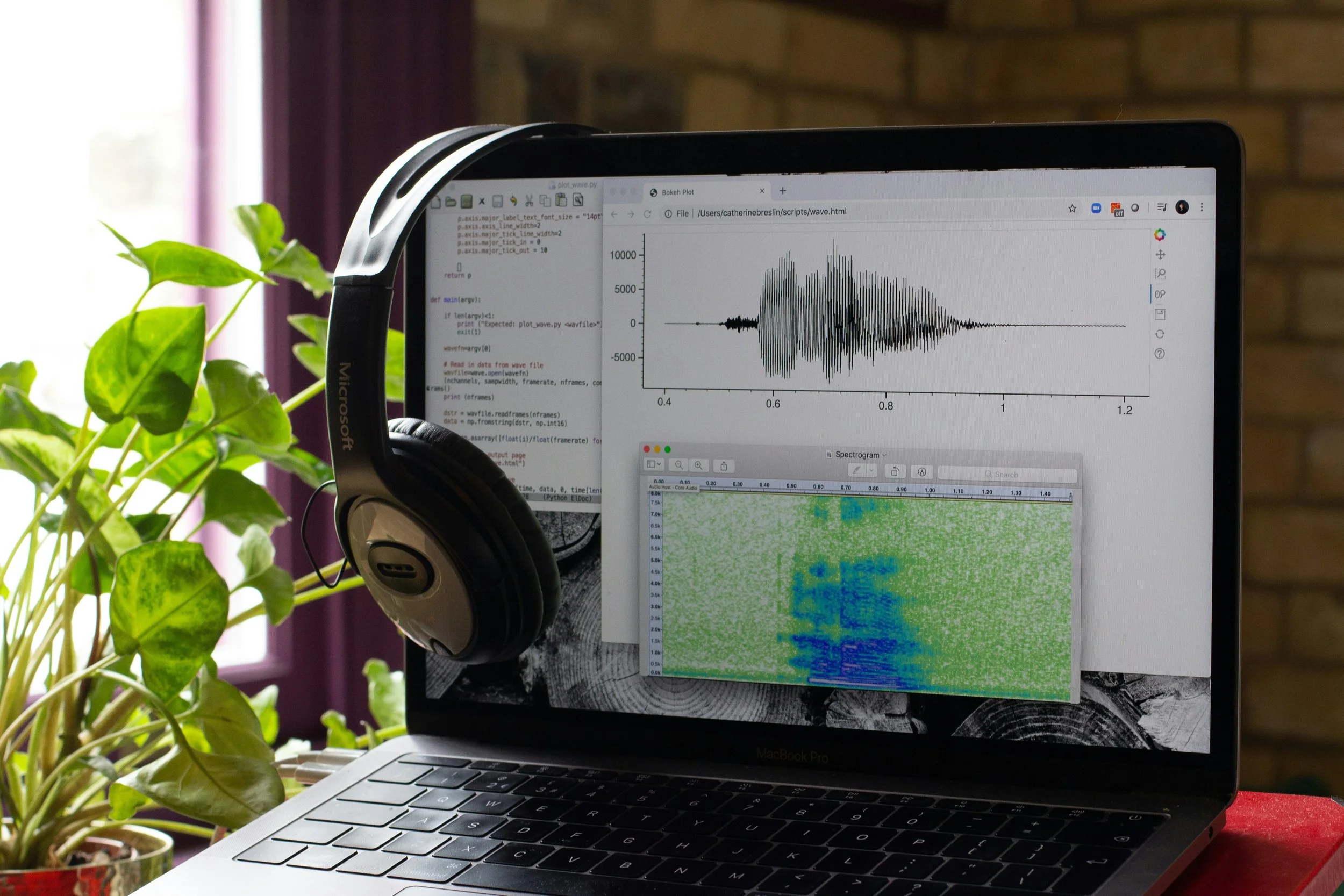
For years, we’ve been given the advice to "listen closely, a voice recording won’t sound quite like them. Or there’ll be awkward pauses. They’ll sound unnatural." But voice cloning tools combined with AI are making it easier than ever to grab audio from anyone’s video or social media post, clean it up, and make them say anything they want.
The FTC reported that adults 60 and older lost about $2.4 billion to fraud in 2024, roughly four times the figure from 2020. The FBI tracked $893 million in losses tied to AI-enabled scams in 2025, and people over 60 accounted for $352 million of that.
If someone has fallen victim to this in your family, it’s not usually because they were careless. These calls are engineered to create urgency and shut down careful thinking. They arrive at odd hours, they involve a beloved family member, they come with a deadline, and they include a reason to keep it secret. Very few people reason well in the first ninety seconds of believing their grandchild is hurt, which is the time they need to get someone to act.
So how do we stay safe?
The Code Word
Pick a word or phrase that only you and your loved ones know. Something unique that’s not written down anywhere, especially not online. Don’t make it your pet’s name or a street you lived on. Something that no one would guess and something they’ll remember. This is the code word and the first line of defense in verifying who you’re talking to.
Pick a secret family code word now, and verify your loved ones over the phone when they say it out loud. A cloned voice won’t know it.
Anyone claiming to be family and asking for money has to know that secret word and say it out loud to you. They may sound upset, or hurt. They might tell you they forgot, or there's no time. If they don’t say it, you don’t know if it’s really them.
Then comes the second part. Ask to call the person back on the number already in your phone. Not a number on the caller ID or the one the caller gives you. If it’s not really them, you'll know in twenty seconds. And if you’re unsure or they don’t answer, call someone else in the family to help you verify.
A caller who sounds real, but resists your efforts to authenticate them is suspicious. Scams usually always include some reason to stay on the line. Keep in mind that caller ID can be faked too, so a call that appears to come from your grandson's number isn't proof of anything.
Hang up and call them back on a number you already have. Caller ID can be faked, so the number on your screen proves nothing.
What the scammer wants
Think about what the caller is asking for. Several thousand dollars by morning is more cash than most people keep in checking. They know this. It has to come from wherever the money actually lives, which for most retirees is a brokerage or retirement account. The FTC has reported people 60 and older emptying bank accounts and even cashing out 401(k)s during scams like these. That withdrawal is the last step before the money is gone for good, and also the only step where somebody else has a chance to stop it.
That’s why we say it’s worth setting up the one protection that already exists on your account. It’s free. And unfortunately, most people have never filled in.
Under FINRA Rule 4512, brokerage firms have to make reasonable efforts to get the name of a trusted contact person for your account. It takes about two minutes to add one, usually right in your online profile.
A trusted contact on your brokerage account gives the firm someone to call to before releasing a withdrawal that looks like a scam.
To be clear, a trusted contact gets no authority over your money. They can't trade, can't withdraw, can't move anything. What they get is a phone call, if the firm becomes worried about you. That may not sound important until you consider the scenario we just described about Marilyn and Fake Danny. It’s one more check before an unusual withdrawal request turns into money you’ll never recover.
And it also pairs with a second rule most people don't know about. FINRA Rule 2165 lets a firm place a temporary hold on a disbursement or a securities transaction when it reasonably believes a customer is being financially exploited. This applies to customers 65 and older, and to adults 18 and over who the firm believes can't protect their own interests. The hold can be for 15 business days, can be extended to 25, and can run as long as 55 business days if the firm reports the matter to a state regulator or a court.
That's the window. Fifty-five (or even fifteen) business days is enough time for a family to figure out what happened. And for a wire transfer, once it lands overseas, it’s usually gone within hours.
This is something you can easily set up with your bank. Ask what alerts they offer, and set one up for wire transfers and withdrawals over an amount you choose. You may never need it, but if you do, you’ll be glad to have it.
What about a power of attorney?
A durable power of attorney, governed in California by Probate Code sections 4000 and following, lets someone you choose act on your behalf. Your agent can sign for you, move money for you, and handle your accounts if you can't.
A power of attorney lets someone act for you. It doesn’t stop you from moving around your own money.
What it doesn’t do is take away your own authority. You are still in control. A power of attorney adds another set of keys for the car, it doesn't take away your set. So if you call the bank and authorize the wire transfer, your agent has no power to stop you. They usually find out afterward, when it may be too late.
A power of attorney was never designed to answer the question of what happens when you can act but you've been deceived. No estate planning document can return money that’s been stolen. The best way to protect yourself is with the tools we’ve described. Use a secret code word, call them back on the number you have for them, add a trusted contact, and set a bank alert. Also, and probably most importantly, is to be a family that talks about money without embarrassment.
What if it already happened?
Scammers use shame to keep you silent. So if you think you’ve been the victim, don’t hesitate. Call the bank or brokerage first and ask them to attempt a recall, because they may be able to stop any funds that haven’t been removed already. Report it at IC3.gov, which is the FBI's complaint center, and to local police. Then call Adult Protective Services in your county. And if you need help with this, don’t be afraid to have a trusted loved one help you.
California also gives victims a civil path. Welfare and Institutions Code section 15610.30 defines financial abuse of an elder, meaning anyone 65 or older, or a dependent adult, and it reaches property taken by undue influence, not only outright theft. It's worth talking to a lawyer about, particularly when the money went to someone the family knows.
Additionally under Welfare and Institutions Code section 15630.2, a broker-dealer or investment adviser who suspects financial abuse by someone holding a power of attorney is allowed to refuse to honor that power of attorney after reporting it.
Having the “safety” conversation
Most families never discuss any of this until after something goes wrong, and by then it can feel more about blame instead of help. Have that conversation now while it's on your mind. It can take just a few minutes. What’s our secret word? Who is my trusted contact? Who has my power of attorney and what that person can actually do?
You spent a working life building what you have. Helping families hold onto it is most of what we do, whether it’s trusts and tax planning or helping you determine who can act for you, who gets a call when something looks wrong, and safeguards to put in place before the phone rings at eleven at night with a voice that sounds like someone you know.
We assist clients across California with offices in Studio City and Mission Viejo.